Leger Des Heils
Bart Lunenburg
Opening hours:
12:00 - 18:00
Address:
Oudezijds Achterburgwal 45
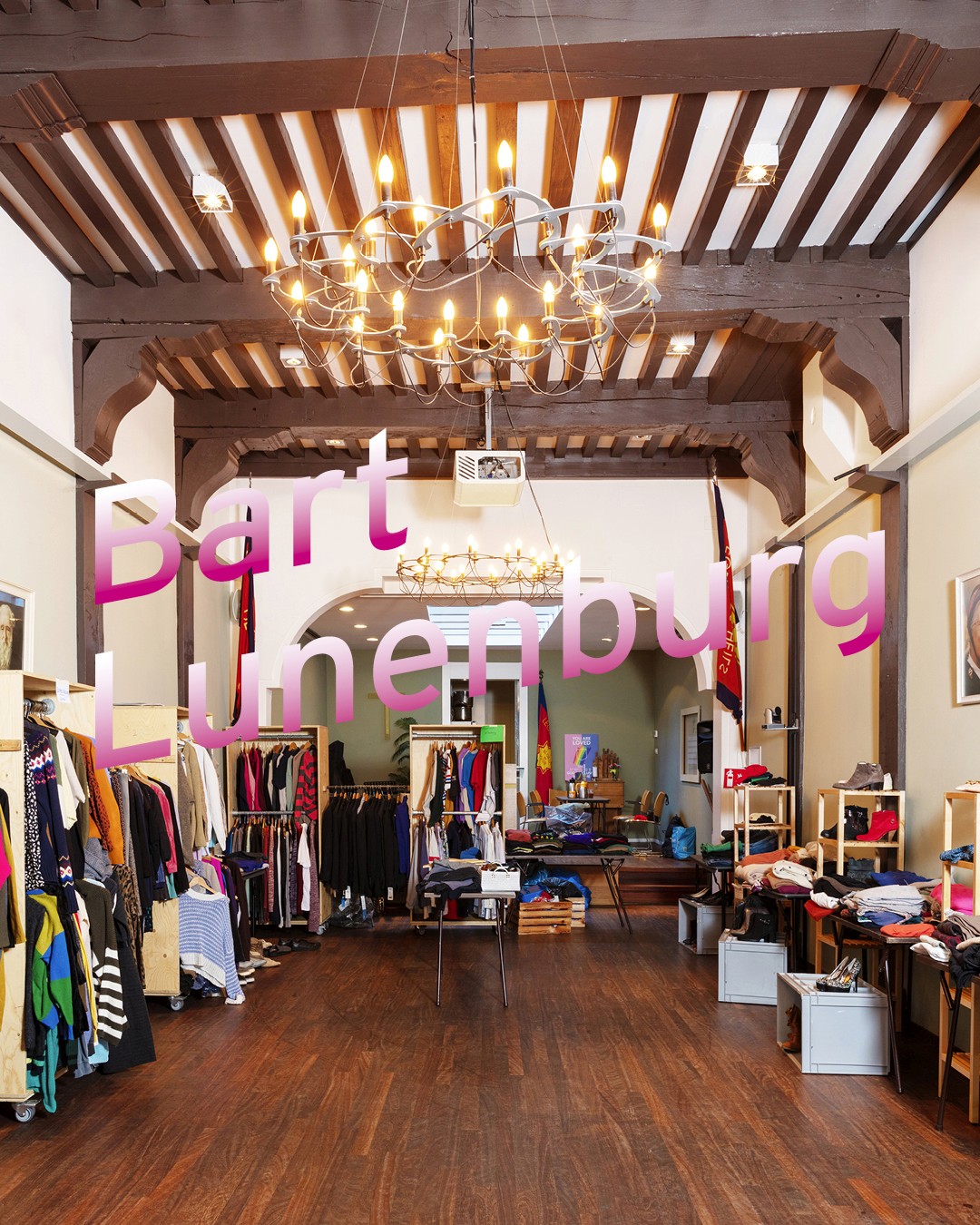
Bart Lunenburg is developing Oever for the Dutch Salvation Army: a series of two-dimensional wall sculptures made of wood. The works are based on the idea that buildings carry a memory, shaped by what happens above ground and below ground. In the Red Light District, that memory is literally layered: houses are built on top of each other, resting on the oldest foundations of the city.
The title Oever refers to the importance of wood as a building material for Amsterdam, a city situated along the Amstel and IJ rivers and the marshland on which it was founded. Beneath the city’s buildings lies a wet, unstable landscape. Bart sees the millions of wooden piles and the archaeological layers of wooden house structures as silent witnesses to care, shelter, and history. The Salvation Army, as a place of refuge and social engagement, forms a junction here where architecture, the ground, and human action come together.

Bart Lunenburg is an artist working at the intersection of architecture, memory, and heritage. In his multidisciplinary practice, he explores how buildings absorb and transmit ideas, ideologies, and human experience. He approaches architecture not as a static form, but as a vehicle for time, use, and memory.
Lunenburg frequently works with scale models, which evolve into sculptures, photographs, drawings, and textile works, often assembled in installations and publications. His projects typically begin with an extended stay in a specific location: by being there, looking, and listening, he attempts to understand the "life" of a building. Archival research and personal observations are then translated into tangible objects.
In his work, Lunenburg connects architectural history with personal experience and creates new narratives about our complex relationship with the built environment. He treats materials, buildings, and cities as if they possess their own memory—shaped by residents, designers, and time itself. His work invites the viewer to view architecture not merely as a backdrop, but as an active witness to human action.
About Location
The Salvation Army is an international aid and faith-based organization dedicated to helping people on the margins of society. In the Red Light District, this work took on a distinct and human dimension thanks to Major Alida Bosshardt, who was a visible presence there for decades. She transformed the Salvation Army from a distant institution into a practical, engaged force in the heart of a complex neighborhood.
This local integration manifested itself in collaborations and personal relationships, such as that between Bosshardt and Henk de Vries, founder of The Bulldog, who considered her a "second mother" and encouraged him to launch initiatives to support vulnerable city residents. Within the organization itself, thinking also shifted: under the leadership of Ben Dragstra, a missionary worker and pastor in the Red Light District, among others, the Salvation Army developed a more open attitude toward homosexuality.
Thus, in the Red Light District, the Salvation Army stands not only for aid and heritage, but for a place where faith, care, and urban reality continue to influence and transform each other.